Overview
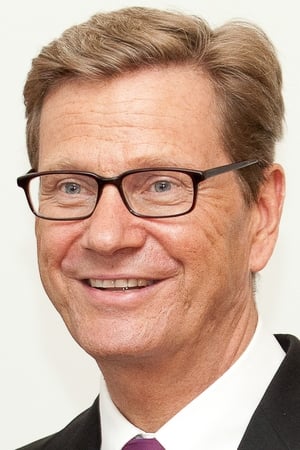
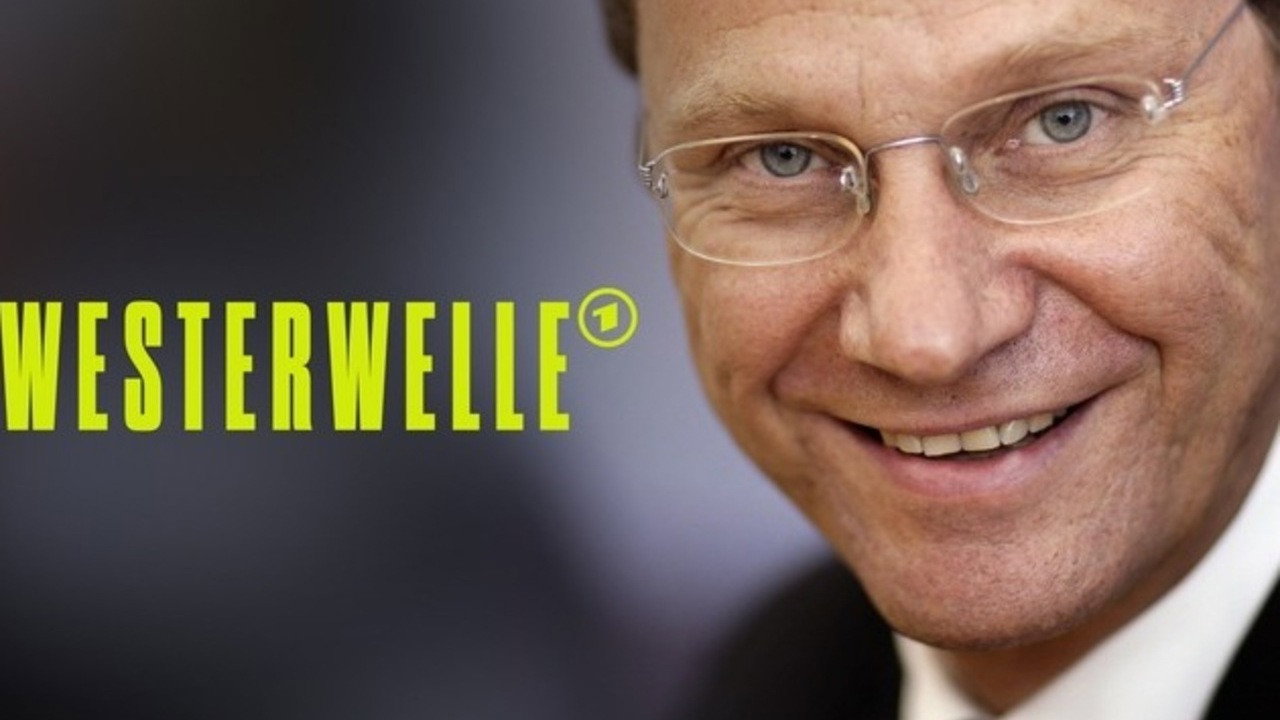
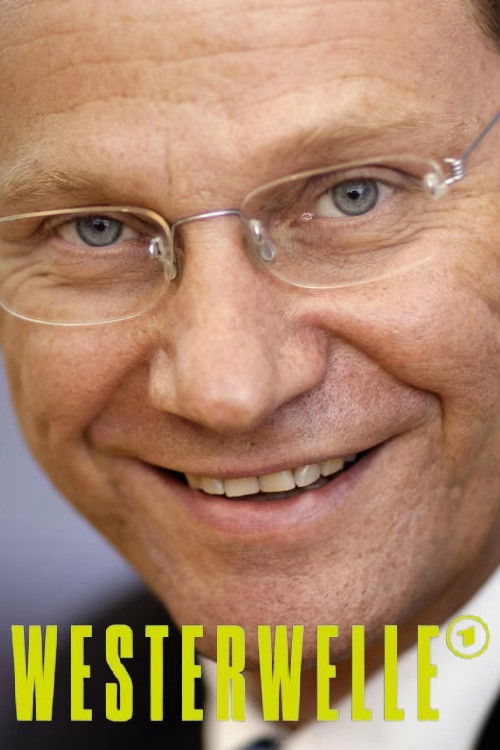
A documentary that offers an intimate portrait of Guido Westerwelle, Germany’s former Vice-Chancellor, balancing his political career with his groundbreaking role as a gay pioneer. Released for the 10th anniversary of his death, the film explores the sharp contrast between his polarizing public persona and his private vulnerability. The narrative anchor consists of never-before-heard audio recordings from 2014, captured in Mallorca by journalist Dominik Wichmann as Westerwelle battled acute leukemia. The movie weaves these raw archives with emotional interviews from his husband, Michael Mronz, and key political rivals. It charts his rise within the FDP, his historic 2004 public coming out, and his legacy as Germany’s first openly gay cabinet minister. The plot highlights the unique diplomatic challenges he faced visiting nations hostile to LGBTQ+ rights, his sudden fall from political grace, and his final fight against cancer alongside Mronz.
Frequently Asked Questions & Story Details
Who directed Westerwelle?
Westerwelle was directed by Jobst Knigge.
Where was Westerwelle produced?
It was produced by companies including Open Mind Media, LLC, WDR, MDR in Germany.
Westerwelle Ending Explained & Trivia
The ending of Westerwelle wraps up key thematic points regarding its characters. The film showcases excellent use of sound design, writing, and visual effects to create an immersive cinematic environment. For full analysis of ending theories, you can check out our corresponding articles in the Lumaflicks Blog section.
Ready to watch?
Stream Westerwelle right now — no waiting.
Production