
Overview
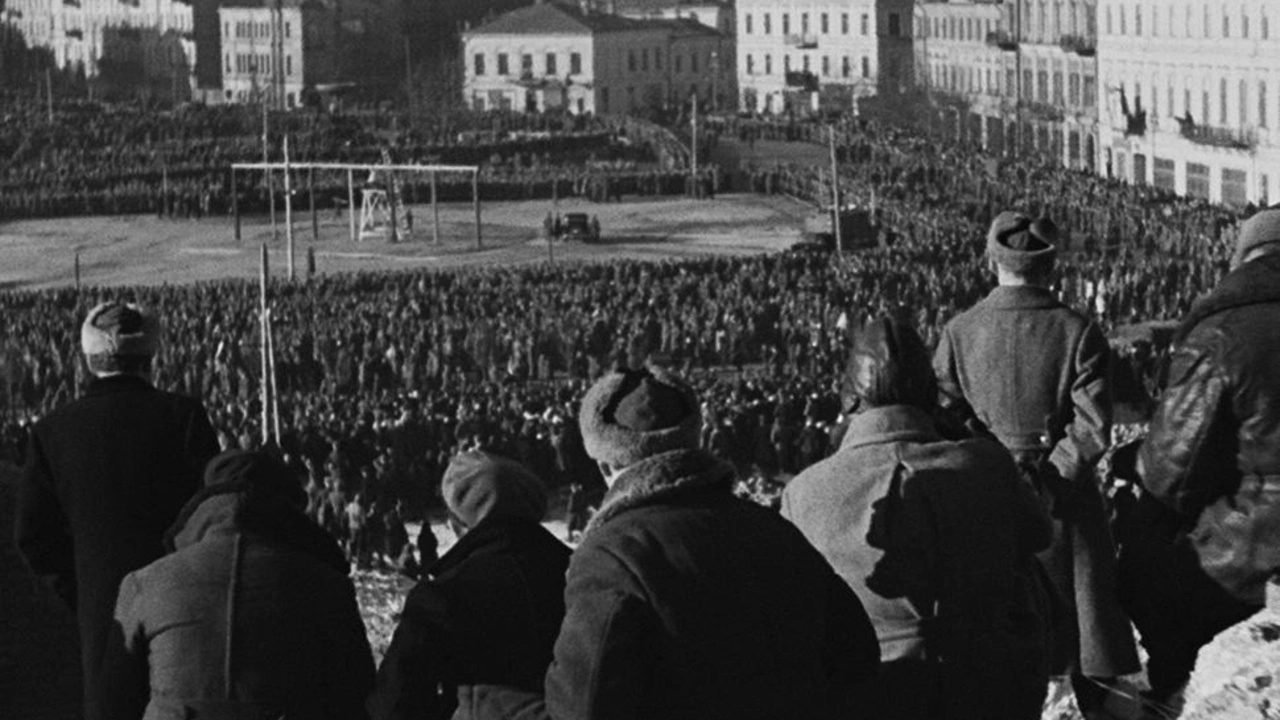
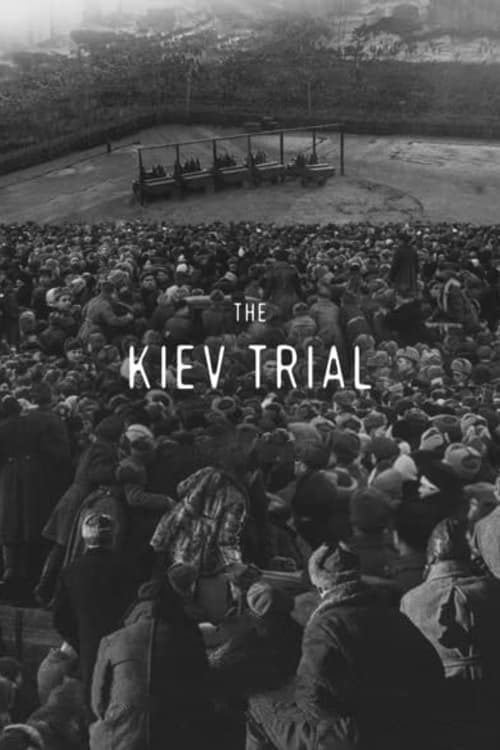
The Kyiv Trial, also known as the ‘Kiev Nuremberg’, took place in January of 1946 in the Soviet Union, and was one of the first post-war trials convicting German Nazis and their collaborators. 15 criminals, guilty of atrocities, which were later identified by the Nuremberg trials as “crimes against humanity”, faced justice in case No.1679 “On the atrocities committed by fascist invaders on the territory of the Ukrainian SSR.” Using unique, previously unseen, archive footage, Sergei Loznitsa reconstructs key moments of the proceedings, including statements of the defendants and testimonies of the witnesses, survivors of Auschwitz and Babi Yar among them. The film lays bare the ‘banality of evil’ and is devastatingly relevant today, as Ukrainian people are once again being subjected to the violence of barbarian invaders.
Frequently Asked Questions & Story Details
Who directed The Kiev Trial?
The Kiev Trial was directed by Sergei Loznitsa.
Where was The Kiev Trial produced?
It was produced by companies including Atoms & Void in Netherlands, Ukraine.
The Kiev Trial Ending Explained & Trivia
The ending of The Kiev Trial wraps up key thematic points regarding its characters. The film showcases excellent use of sound design, writing, and visual effects to create an immersive cinematic environment. For full analysis of ending theories, you can check out our corresponding articles in the Lumaflicks Blog section.