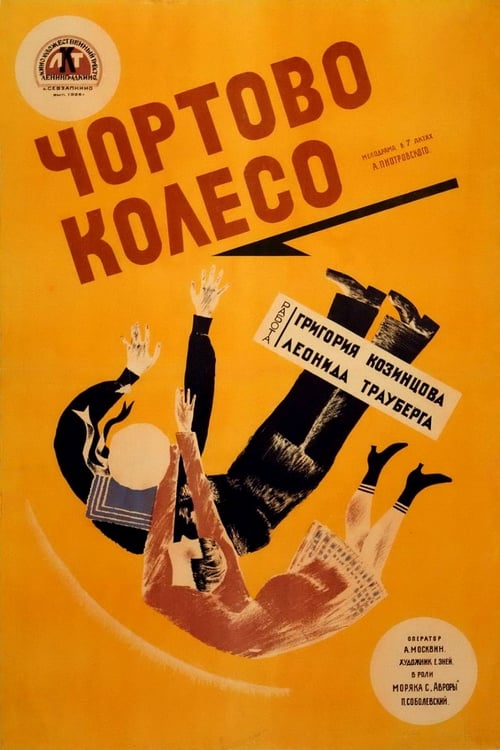
Overview
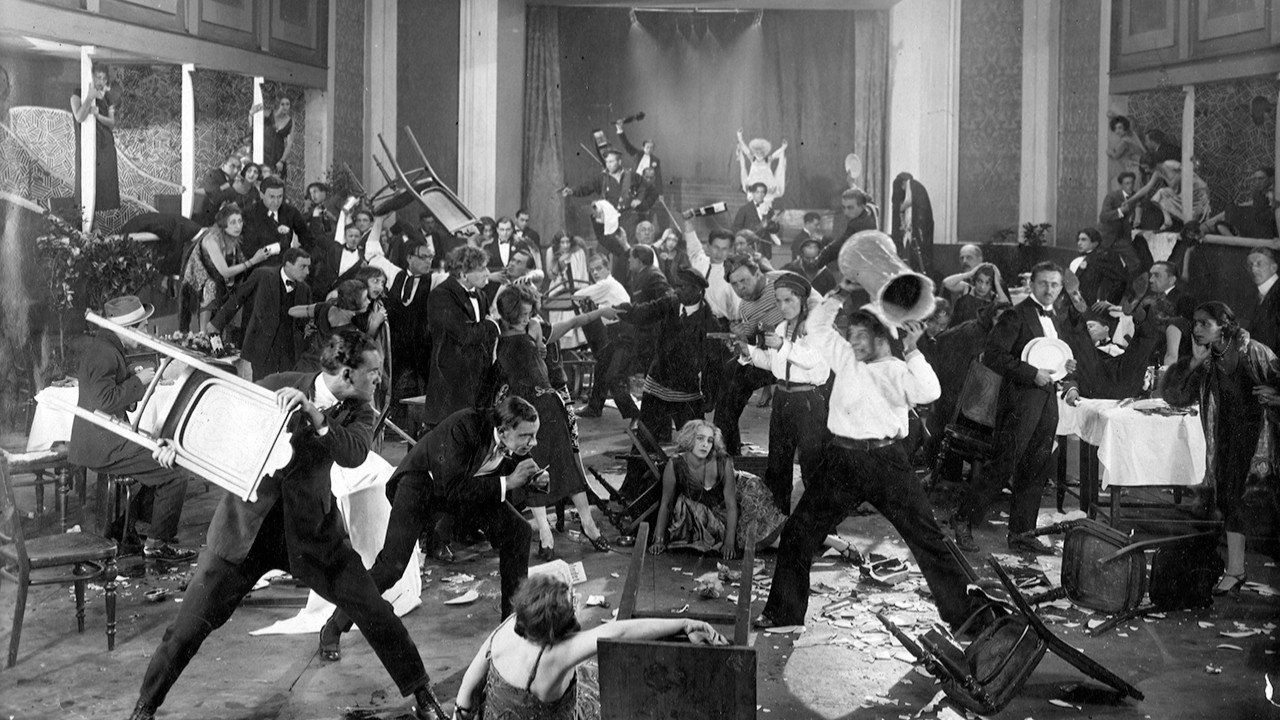
Typically of the heady days of early Soviet cinema, this is constructed according to the fast, sharp editing principles advocated by Eisenstein, complete with symbolic inserts; but in terms of subject matter, it's much less explicitly political than most movies emerging from Russia in the '20s. Chronicling a young sailor's descent into a murky, treacherous underworld of pimps and thieves, after having encountered a Louise Brooks lookalike at a fairground and missed his departing boat, it's a lively moral fable that delights in vivid visual effects and quirky characterisations. If the plot occasionally reveals gaping holes, and the tacked-on ending urging the clearance of the Leningrad slums seems to be rather gratuitous, there's enough going on to keep one attentive and amused.
Frequently Asked Questions & Story Details
Who directed The Devil's Wheel?
The Devil's Wheel was directed by Grigori KozintsevLeonid Trauberg.
Where was The Devil's Wheel produced?
It was produced by companies including Lenfilm in Soviet Union.
The Devil's Wheel Ending Explained & Trivia
The ending of The Devil's Wheel wraps up key thematic points regarding its characters. The film showcases excellent use of sound design, writing, and visual effects to create an immersive cinematic environment. For full analysis of ending theories, you can check out our corresponding articles in the Lumaflicks Blog section.