Overview
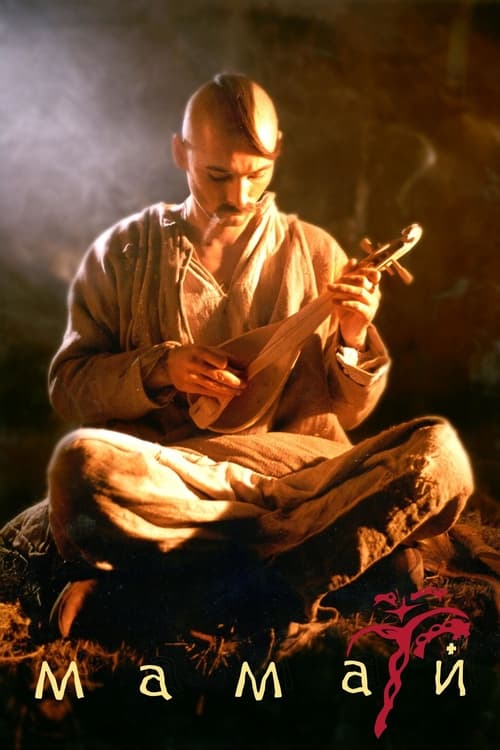
Mamay draws on traditional Ukranian and Tatar folktales for its Romeo and Juliet-like love story and parable about chivalry and the struggle for freedom. Hundreds of years ago, in the wild steppes of Crimea that form an uneasy border between East and West, Europe and Asia, nomad and farmer, the proud Cossack Mamay falls in love with the Tatar beauty Omai. The title, like the storyline, holds a variety of different meanings taken from different cultures. In Turkic languages, it means "no one," but it was also the name of a famous Mongol conqueror, the great grandson of Ghengis-Khan. In Persian legends, mamay literally means "the spirit of the steppes. "
Frequently Asked Questions & Story Details
Who directed Mamay?
Mamay was directed by Oles Sanin.
Where was Mamay produced?
It was produced by companies including Dovzhenko Film Studios in Ukraine.
Mamay Ending Explained & Trivia
The ending of Mamay wraps up key thematic points regarding its characters. The film showcases excellent use of sound design, writing, and visual effects to create an immersive cinematic environment. For full analysis of ending theories, you can check out our corresponding articles in the Lumaflicks Blog section.