

Overview
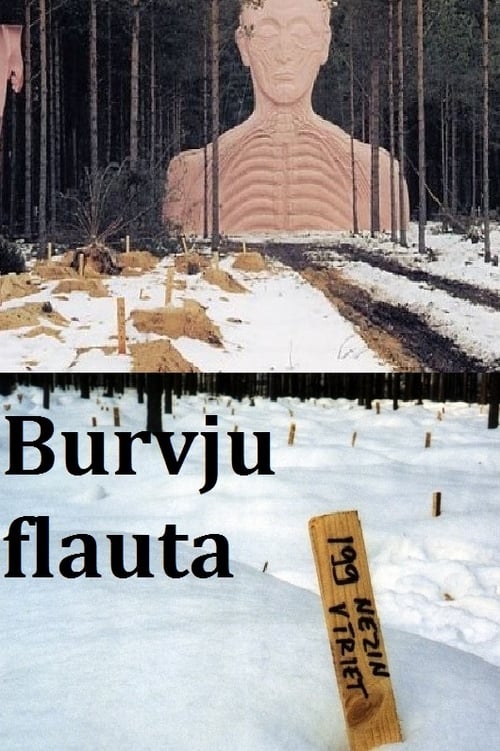
“As death, when we come to consider it closely, is the true goal of our existence, I have formed during the last few years such close relationships with this best and truest friend of mankind that death's image is not only no longer terrifying to me, but is indeed very soothing and consoling” - thus said Mozart about death. Mozart died in 1791 and was buried in a mass grave, as standard at the time in Vienna for a person of his social and financial situation. In 2000, 452 of Riga’s deceased — people without relatives, the homeless and the unidentified — were buried at the Jaunciems cemetery. But this film is not about death: it's about Mozart, The Magic Flute, Riga, and love. A short commissioned for the Latvian exhibition at Venice Biennale.
Frequently Asked Questions & Story Details
Who directed Magic Flute?
Magic Flute was directed by Viesturs Kairišs.
Where was Magic Flute produced?
It was produced by companies including Kaupo Filma in Latvia.
Magic Flute Ending Explained & Trivia
The ending of Magic Flute wraps up key thematic points regarding its characters. The film showcases excellent use of sound design, writing, and visual effects to create an immersive cinematic environment. For full analysis of ending theories, you can check out our corresponding articles in the Lumaflicks Blog section.