Overview
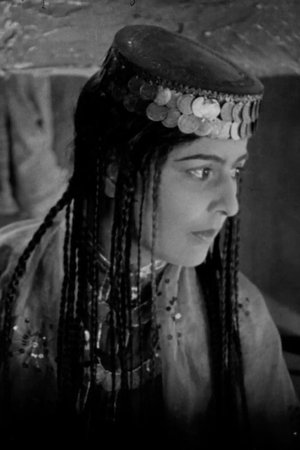
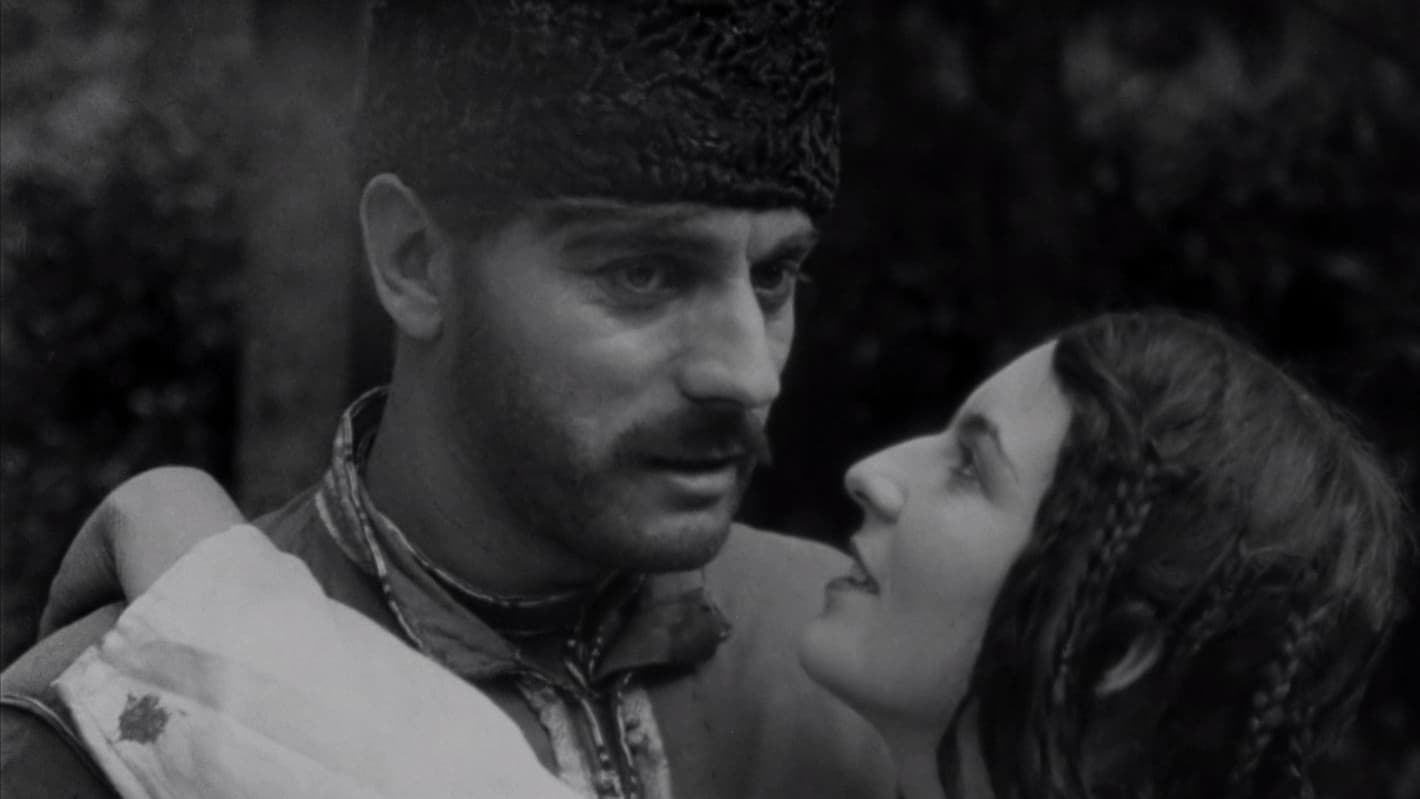
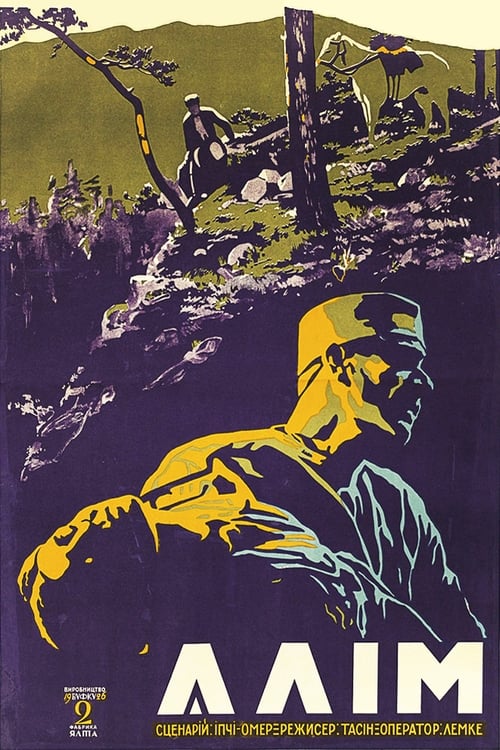
Crimea. The middle of the 19th century. A proud and brave jigit Alim Aidamak who cannot put up with the workers’ abuse, works at the leather factory of the greedy Ali-bay. One day he responds in kind. He is fired, but he takes the memories of the beautiful daughter of his ex-master, Sara, with him. Young people went their separate ways. Alim takes the revolutionary path; he and his friends go to the mountains and start an underground struggle. Only his name is enough to terrify landlords, Mirzas and civil servants. Authorities send a Cossack detachment to catch the Crimean Tatar Robin Hood. The adventure film, which reminds an American western, was filmed based on a Crimean Tatar legend, which in 1925 was turned into a play by the repressed Crimean Tatar writer Ipchi Ümer. The shooting of the film under the script of the Ukrainian avant-garde poet Mykola Bazhan began in the autumn of 1925, when the indigenisation policy in the national republics caused demand on the national plots.
Frequently Asked Questions & Story Details
Who directed Alim?
Alim was directed by Heorhiy Tasin.
Where was Alim produced?
It was produced by companies including VUFKU in Soviet Union.
Alim Ending Explained & Trivia
The ending of Alim wraps up key thematic points regarding its characters. The film showcases excellent use of sound design, writing, and visual effects to create an immersive cinematic environment. For full analysis of ending theories, you can check out our corresponding articles in the Lumaflicks Blog section.